Loading…

← Back to all series📚 Series
Generative Biology: The Flywheel of AI-Driven Drug Discovery
How AI is solving the protein folding problem and enabling rational design of therapeutics.
7Parts
77 minTotal Read Time
AdvancedLevel
Parts
7
Min Read
77 min
Complexity
Advanced
Published
Oct 2024
to
Oct 2024
Complete Series Progress
7 parts • Hover to view individual progress
★Key Takeaways
✓Understand the language of life: DNA, RNA, proteins, and biological information
✓Grasp the protein folding problem and AlphaFold's solution
✓Learn inverse folding: designing proteins from first principles
✓Explore small-molecule design and drug discovery acceleration
✓Understand antibody engineering and therapeutic design
✓See the flywheel: how AI drug discovery creates better therapeutics
About This Series
Biology is becoming programmable. This 7-part series explores how generative AI is solving the protein folding problem (AlphaFold), enabling inverse folding (designing proteins with specified functions), and accelerating drug discovery through small-molecule design, antibody engineering, and virtual labs. Discover the flywheel effect where AI-designed therapeutics power a feedback loop of continuous improvement.
All Parts

Part 1
14%
The Language of Life (Part 1): How Generative AI Learned to Speak 'Protein'
From linguistics to biophysics—understanding how Protein Language Models learn the deep grammar of biology from 200M+ sequences.
5 Min. Read
Part 2
29%
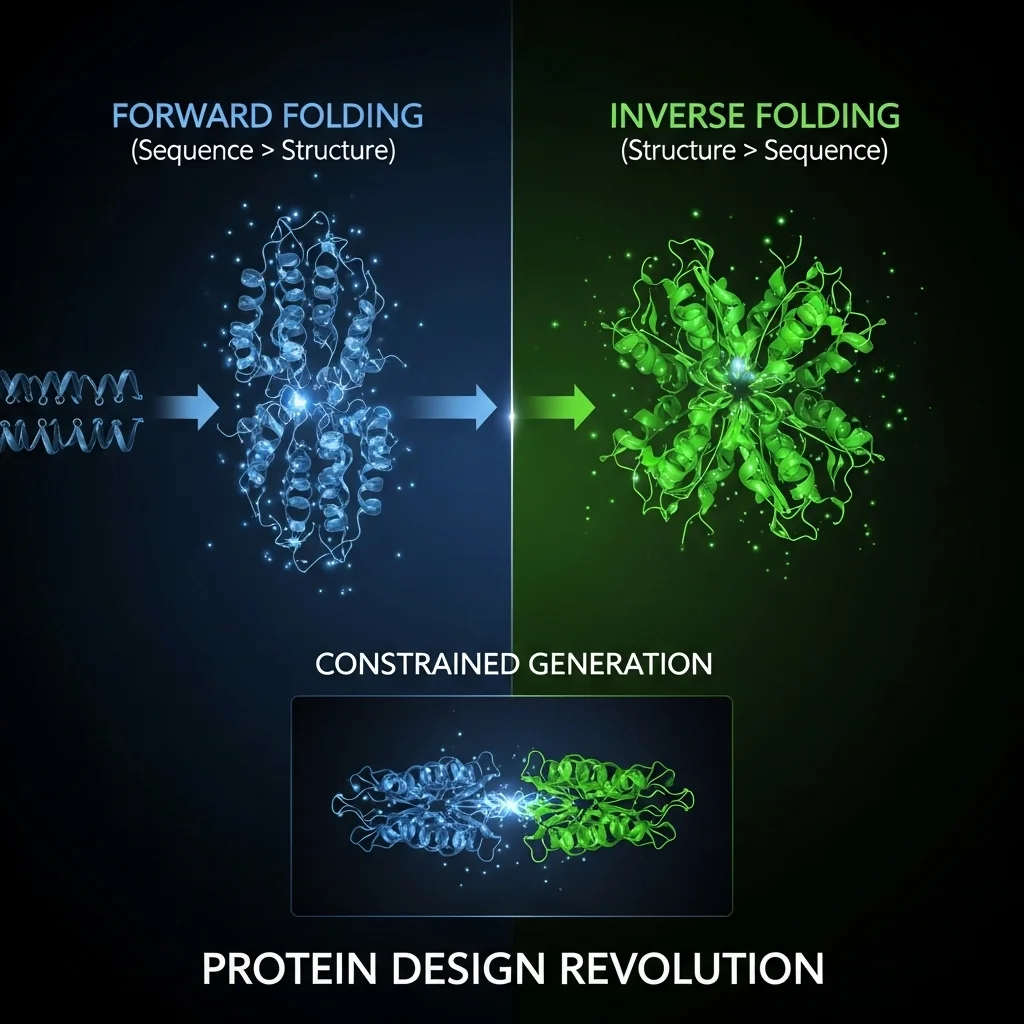
The Language of Life (Part 2): Beyond AlphaFold—From 'Reading' a Fold to 'Writing' a Function
Solving the inverse folding problem with 3D diffusion models to design novel protein functions from first principles.
5 Min. Read

Part 3
43%
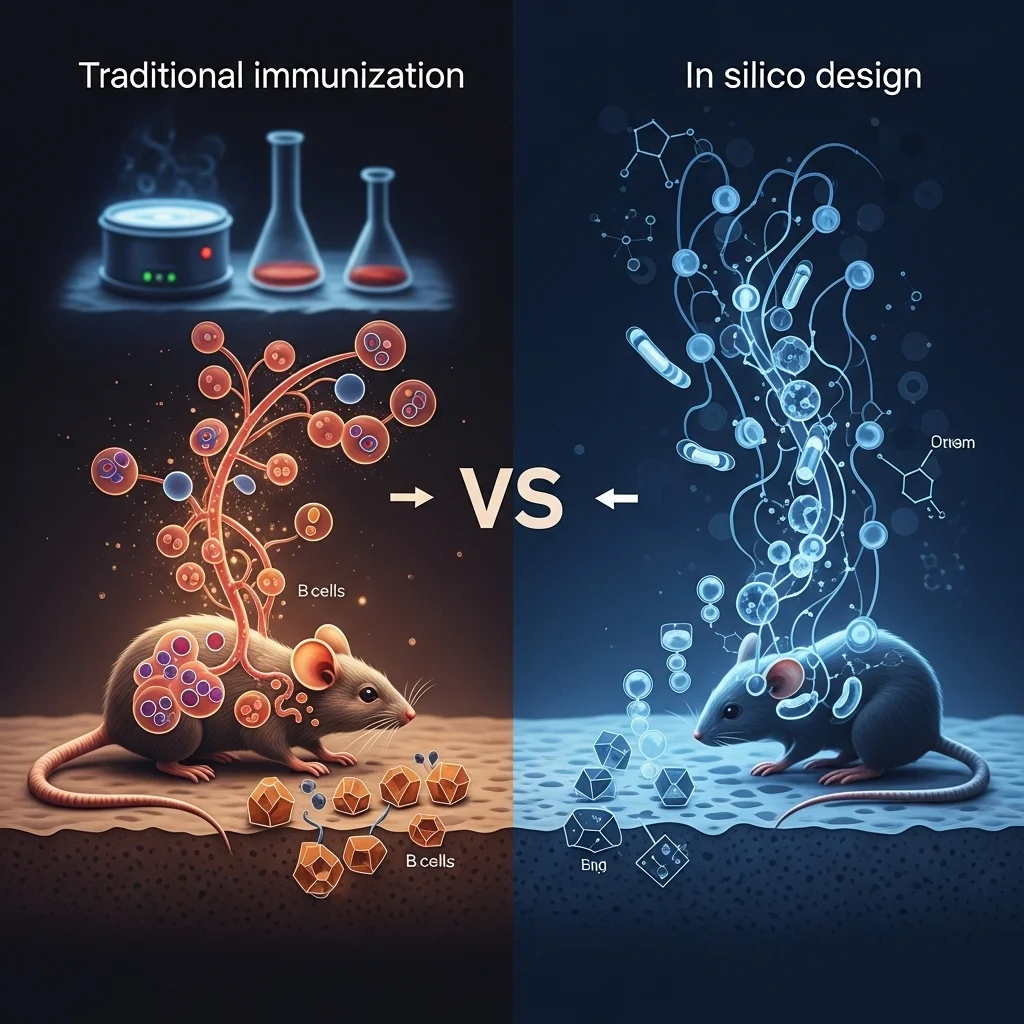
The Language of Life (Part 3): The 'Digital Locksmith'—Generative AI for Small Molecule Design
Moving beyond brute-force HTS to intelligent, 3D-equivariant generation of optimized small molecule drugs.
3 Min. Read
Part 4
57%
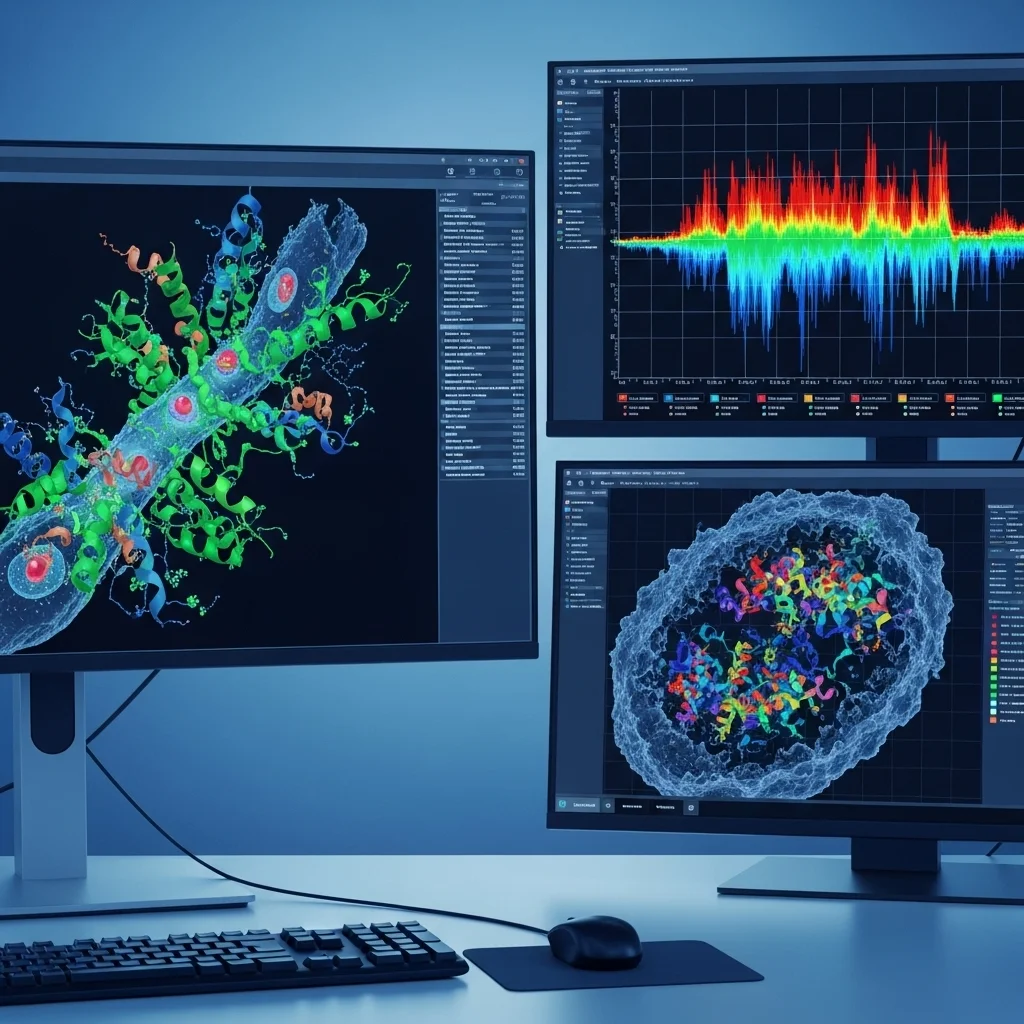
The Language of Life (Part 4): 'Dreaming Up' Antibodies—Generative AI for Biologics
Co-generating binding and developability with multi-objective antibody design platforms.
3 Min. Read
Part 5
71%
The Language of Life (Part 5): The 'Virtual Lab'—How We Validate Generative Drugs In Silico
Testing 1,000 drug candidates in one day using Digital Twin systems biology simulations and proteome-wide toxicity screening.
3 Min. Read
Part 6
86%
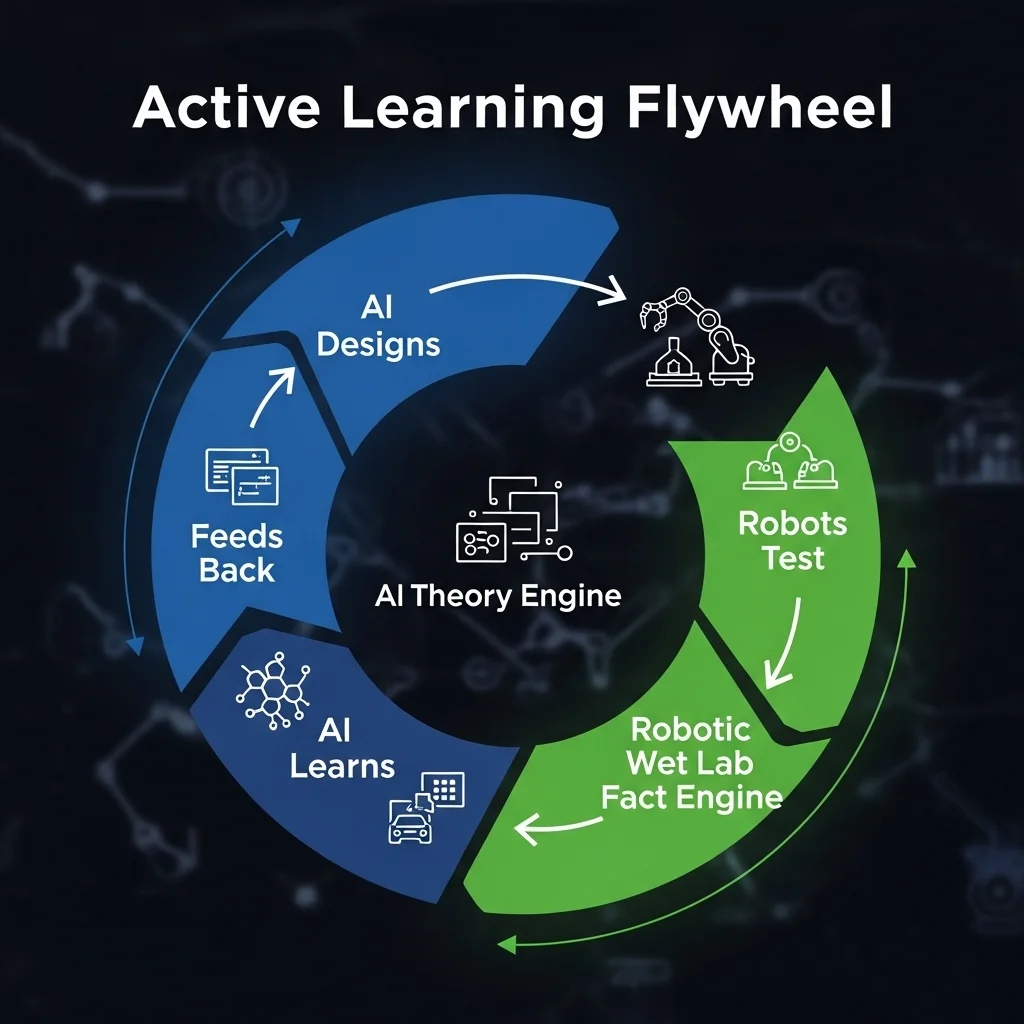
The Language of Life (Part 6): Closing the Loop—From In Silico Design to In Vitro Data
The self-driving laboratory flywheel that connects AI theory to experimental facts through active learning.
3 Min. Read
Part 7
100%
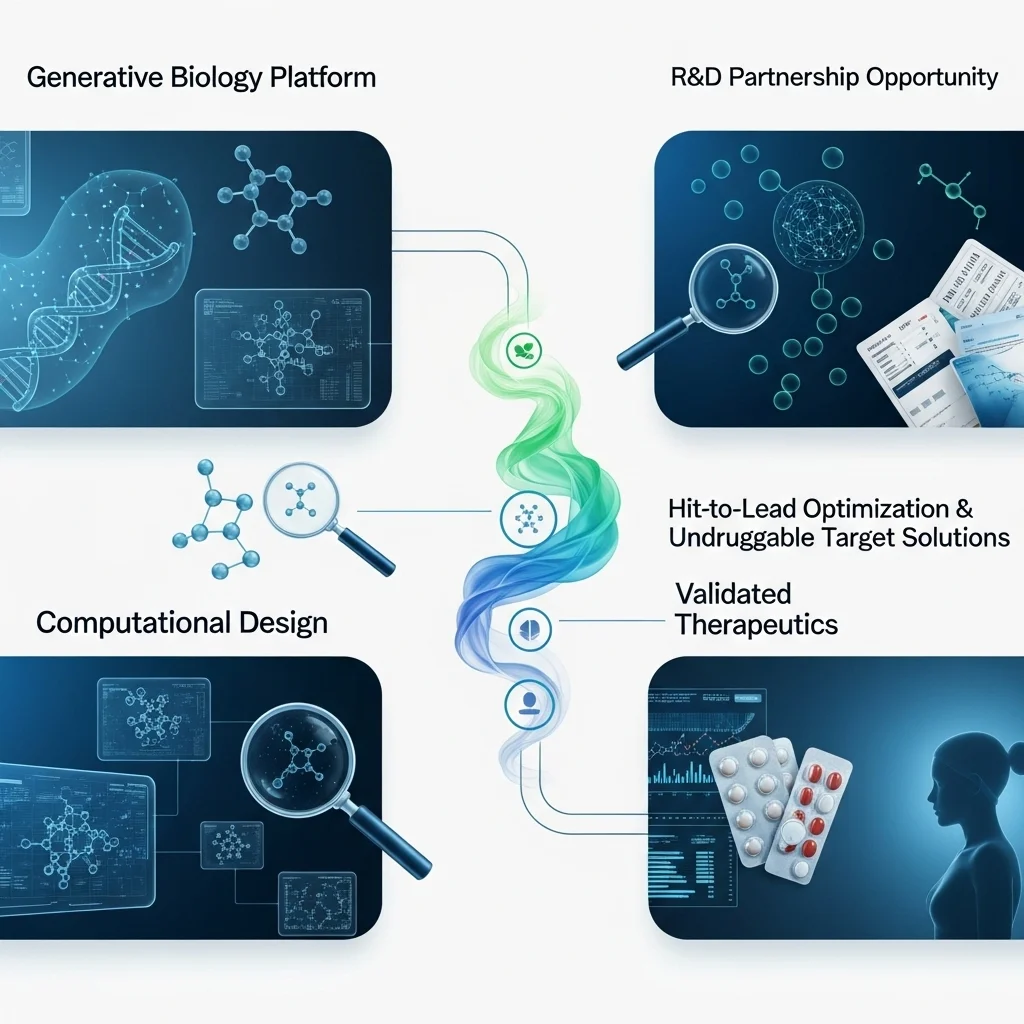
The Language of Life (Part 7): Generative Biology is Here—How to Start Your First In Silico Design Program
Partner with the platform: Two tangible first projects to accelerate your R&D pipeline today.
3 Min. Read