Loading…
← Back to all series Series
The Quantum Frontier
Quantum computing fundamentals, cryptographic threats, and real-world applications in drug discovery and finance.
7Parts
75 minTotal Read Time
AdvancedLevel
Parts
7
Min Read
75 min
Complexity
Advanced
Published
Oct 2025
to
Oct 2025
Available Parts
Part 1
Part 2
Part 3
Part 4
Part 5
Part 6
Part 7
7 parts • Series composition
★Key Takeaways
✓Understand quantum computing fundamentals: qubits, superposition, entanglement
✓Grasp the cryptographic threat: Shor's algorithm and RSA/ECC compromise
✓Learn NIST post-quantum cryptography (PQC) standards
✓Explore quantum applications: drug discovery, protein folding, financial optimization
✓Prepare for the quantum transition with crypto-agility strategies
✓Understand NISQ era limitations and error correction hurdles
About This Series
Quantum computing represents the next computing frontier—and an existential threat to cryptography. This 7-part series explains quantum mechanics fundamentals (qubits, superposition, entanglement), explores the cryptographic apocalypse (Shor's algorithm), details NIST post-quantum cryptography standards, and demonstrates real-world applications in drug discovery and financial optimization.
All Parts
Part 1
Series position: 14%
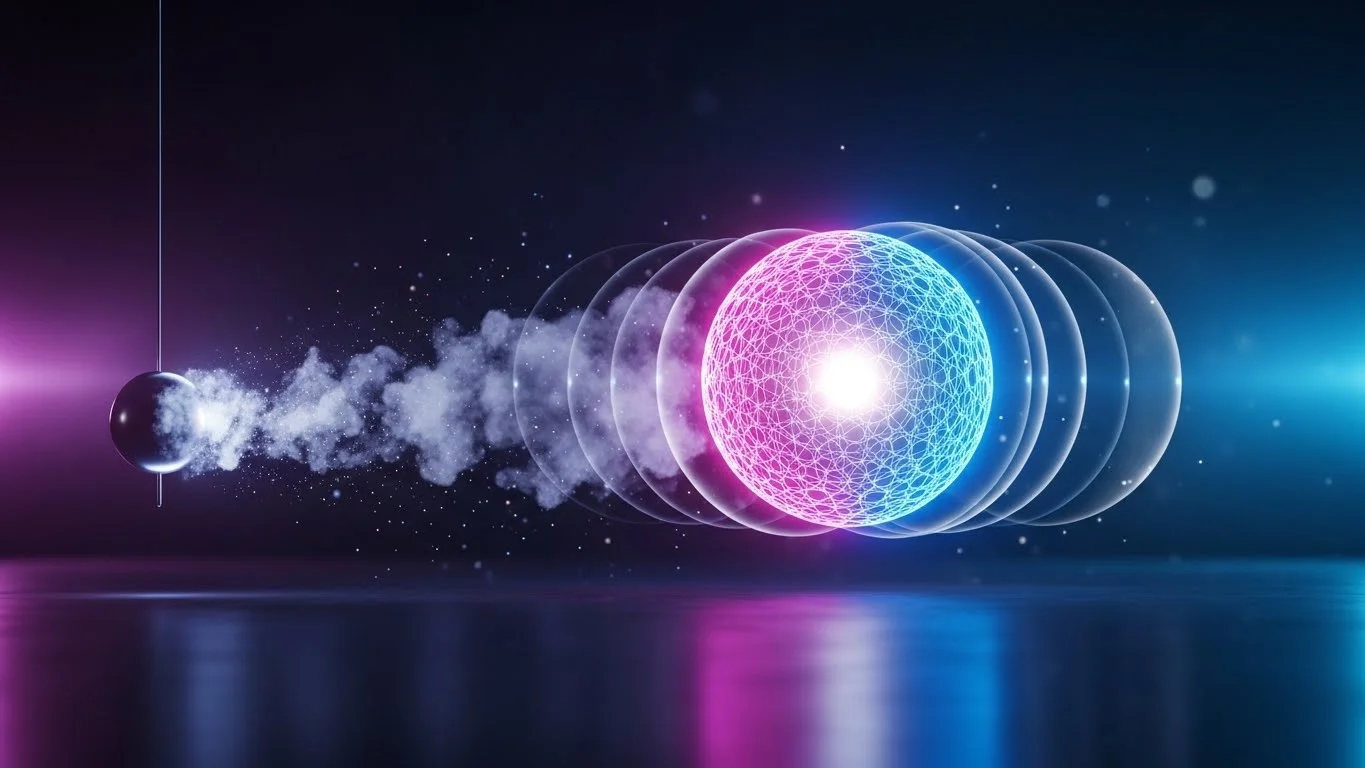
The Quantum Frontier (Part 1): The Qubit and the Pendulum: Demystifying Quantum Mechanics in Computing
To understand quantum computing, you must first un-learn what you know about classical computers. Let's explore the strange and powerful physics of superposition and entanglement.
Reading order: Part 1 of 7
10 Min. Read
Part 2
Series position: 29%
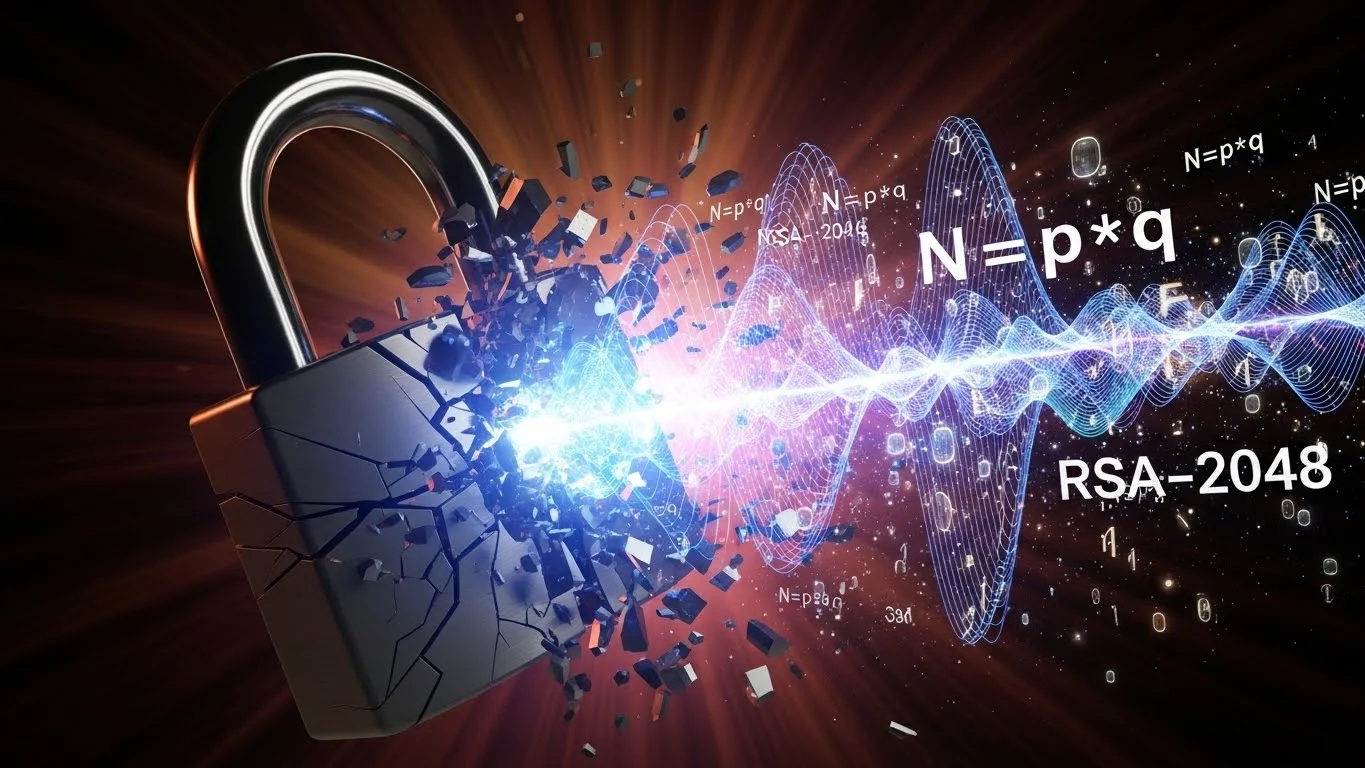
The Quantum Frontier (Part 2): The 'Crypto-Apocalypse': Why Shor's Algorithm Makes Your Data Obsolete
Shor's Algorithm is the shot heard 'round the world for cybersecurity. Here's a deep dive into how it works and why it's an existential threat to our digital economy.
Reading order: Part 2 of 7
10 Min. Read
Part 3
Series position: 43%
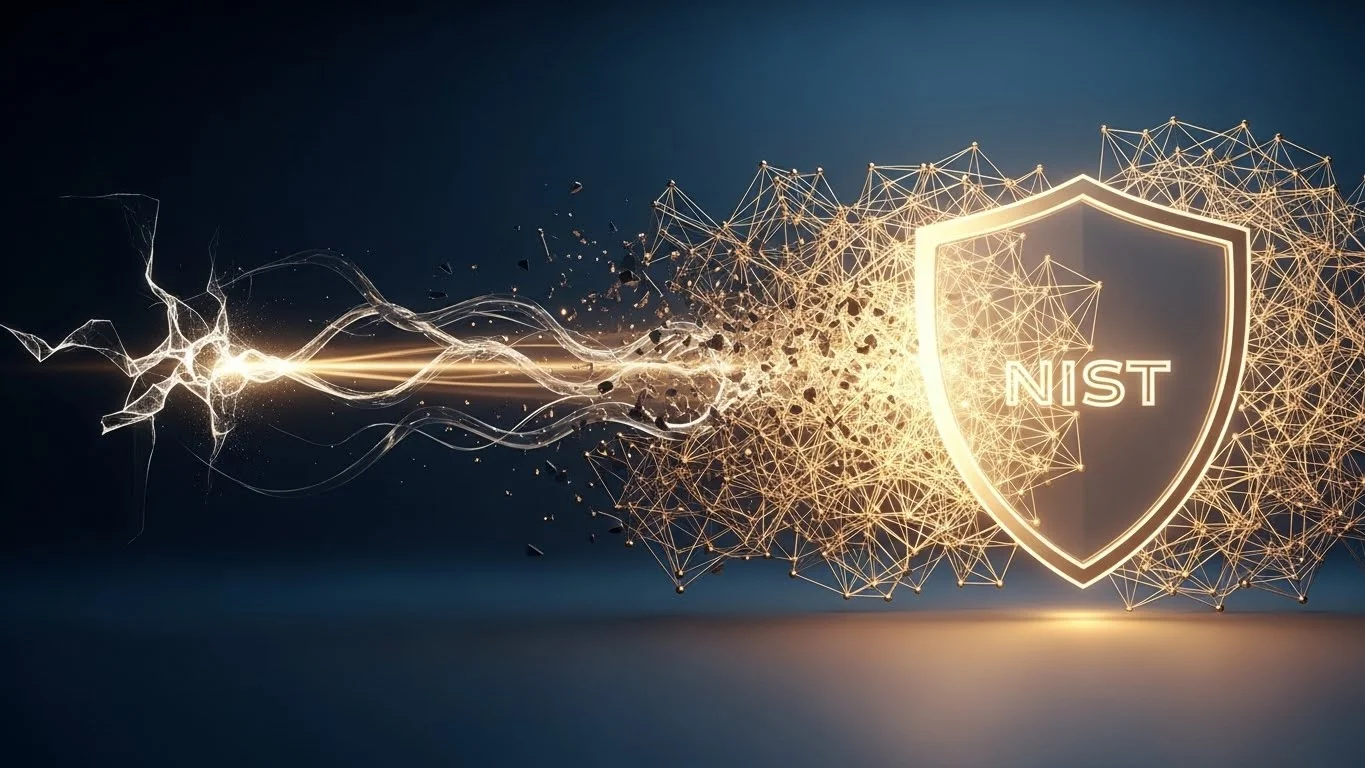
The Quantum Frontier (Part 3): The Quantum Shield: How NIST and Post-Quantum Cryptography (PQC) Will Save Your Data
The 'Crypto-Apocalypse' is coming, but we have a shield. Inside the NIST competition to standardize quantum-resistant encryption.
Reading order: Part 3 of 7
10 Min. Read
Part 4
Series position: 57%
The Quantum Frontier (Part 4): The New R&D: Revolutionizing Drug Discovery and Materials Science
Quantum computers will do more than break codes; they will build worlds. Their first and most profound impact will be in simulating the very building blocks of matter.
Reading order: Part 4 of 7
10 Min. Read

Part 5
Series position: 71%
The Quantum Frontier (Part 5): The Ultimate Optimizer: Quantum's Impact on AI, Logistics, and Financial Modeling
How do you find the single best answer among trillions of possibilities? Quantum computing offers a new path to solving the world's most complex optimization problems.
Reading order: Part 5 of 7
10 Min. Read
Part 6
Series position: 86%
The Quantum Frontier (Part 6): The Noise Problem: Why Error Correction is Quantum's Biggest Hurdle
If quantum computers are so powerful, why don't we have them on our desks? The greatest engineering challenge is the battle against noise and decoherence.
Reading order: Part 6 of 7
12 Min. Read

Part 7
Series position: 100%
The Quantum Frontier (Part 7): Building Your Quantum Readiness Team: 5 Roles You Need to Plan For
The biggest barrier to quantum adoption may not be the hardware; it's the 'quantum-ready' talent. Here are 5 roles to start planning for today.
Reading order: Part 7 of 7
13 Min. Read
Related Series
Quantum Computing
Quantum Ready: Preparing for the Post-Quantum Era
Strategic preparation and crypto-agility playbook for the quantum computing transition.
5 parts • 54 min
Quantum Computing
The Quantum Tipping Point: When Quantum Advantage Becomes Reality
Exploring the moment quantum computing transitions from theoretical to practical applications.
3 parts • 36 min