Loading…
The New 'Shovel-Sellers' of the AI Gold Rush: Why Data Centers Are the Hottest Asset in Real Estate
By Ryan Wentzel
5 Min. Read#real-estate#data-centers#AI-infrastructure#commercial-real-estate#REITs
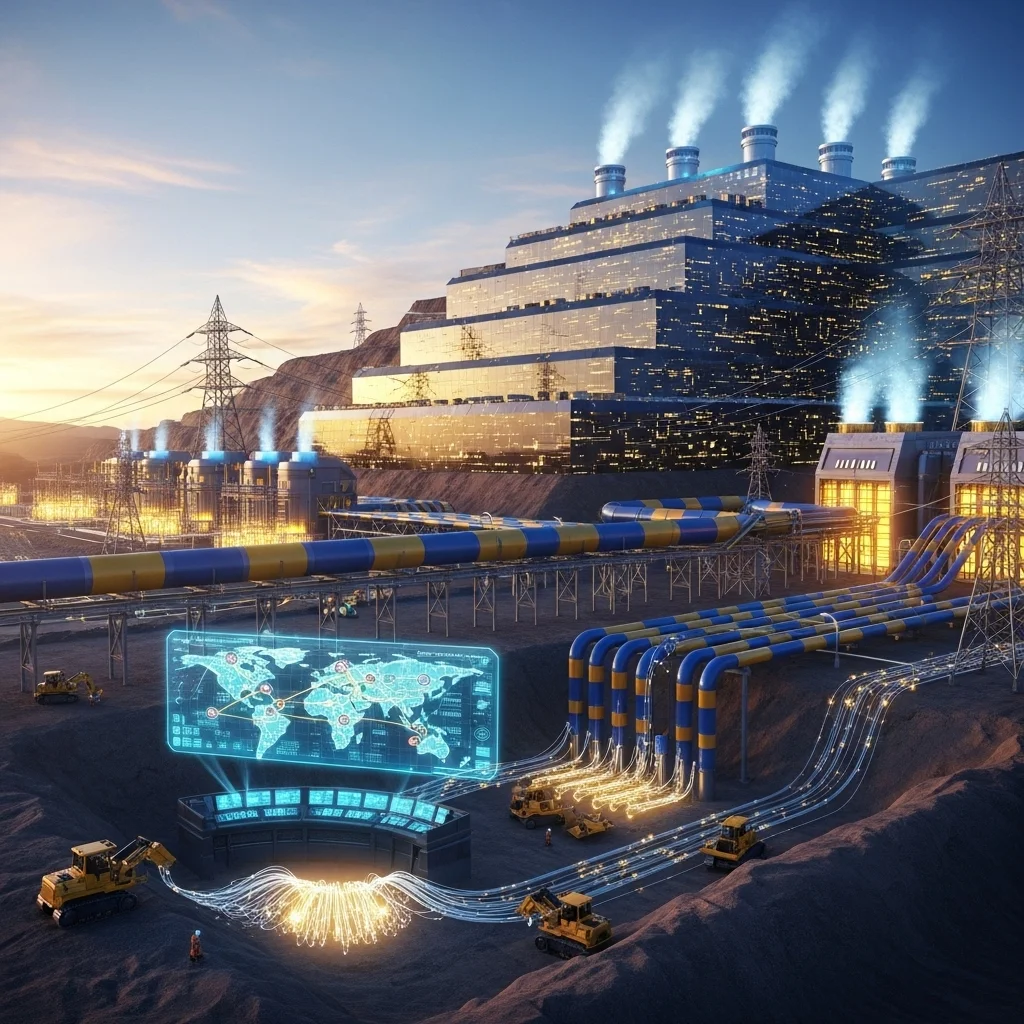
Table of Contents
- I. The 21st Century "Picks and Shovels"
- II. A New Core Asset: How AI Forged a $500B Market
- III. The Investment Thesis: Why Data Centers Are a Safer Bet than AI
- IV. The M&A Frenzy: The Trillion-Dollar Scramble for Capacity
- V. The Public Play: Analyzing the Data Center REIT Giants
- VI. The Strategic Takeaway: Investing in the Infrastructure of a Revolution
I. The 21st Century "Picks and Shovels"
During the California Gold Rush of the 1850s, a reliable path to fortune was not found in panning for gold, a speculative and ruinous venture for most. It was found by the merchants who sold the prospectors their "picks, shovels, and supplies".
Today, we are in the midst of a new "AI Gold Rush." While investors and venture capitalists place massive, speculative bets on which AI software company will "find gold," a parallel and far more tangible boom is occurring in the essential infrastructure that powers them. The "picks and shovels" of the AI revolution are the data centers—the physical, power-hungry buildings that house the graphics-processing units (GPUs) and servers that run the digital world.
This has created an "insatiable" and "soaring" demand, transforming what was once a niche industrial category into the hottest, most strategic, and most sought-after asset class in all of real estate.
II. A New Core Asset: How AI Forged a $500B Market
The demand for data centers is not new, but the generative AI boom has fundamentally changed the demand curve. Training and running large language models (LLMs) are incredibly power-intensive, requiring high-density GPU clusters that consume exponentially more electricity than traditional cloud storage. As a result, data center demand is no longer measured in space (square feet) but in power (megawatts).
The market statistics are staggering:
Market Growth: The global data center market is projected to surge from $342 billion in 2024 to $517 billion by 2029.
Power Demand: Global power demand from data centers is forecast to increase 165% by 2030 (from 2023 levels).
AI-Specific Demand: A massive 70% of this new demand is estimated to be for advanced, high-density AI workloads.
This explosive, structural shift has elevated data centers from an "alternative" or "niche segment" to a "core asset class" for institutional investors, placing it alongside traditional pillars like office, residential, and logistics.
III. The Investment Thesis: Why Data Centers Are a Safer Bet than AI
From an M&A and investment strategy perspective, this "picks and shovels" play is uniquely compelling. As Jon Mauck, global head of data center investment strategy at DigitalBridge, stated, "I don't know who is going to find gold... but whoever is doing anything in that world needs... a data center".
The investment thesis is not built on speculative software growth, but on three core, infrastructure-like pillars:
Durable, High-Credit Cash Flow
Data centers are not leased to fickle startups. They are leased on long-term (10-15+ year) contracts to the most "blue-chip," high-credit tenants in the world: Amazon (AWS), Google, Meta, and Microsoft.
Extremely "Sticky" Tenants
The tenant is incredibly "sticky." Once a hyperscaler installs hundreds of millions of dollars in servers and IT equipment, the operational cost and risk of moving are so high that renewal rates are 90% or higher.
Severely Supply-Constrained Market
This is the key. Demand is exploding, but new supply is severely bottlenecked. It is incredibly difficult to build a new data center, not because of a lack of land, but due to power grid limitations and lengthy permitting and zoning timelines.
This severe supply/demand imbalance leads to record-low vacancy rates and strong, sustained rental and revenue growth for the asset owners.
IV. The M&A Frenzy: The Trillion-Dollar Scramble for Capacity
This compelling investment thesis has triggered an M&A "frenzy" as the world's largest private equity and infrastructure funds scramble to acquire capacity. This has resulted in a string of colossal "take-private" deals for publicly traded data center companies:
- Blackstone acquires QTS Realty Trust for $10 billion
- KKR & Global Infrastructure Partners acquire CyrusOne for $15 billion
- DigitalBridge & IFM Investors acquire Switch for $11 billion
- Blackstone acquires AirTrunk for $16 billion, the largest-ever private equity deal in the data center market
The identity of these buyers is strategically significant. The purchasers are not just "real estate" funds; they are the world's largest infrastructure funds (Blackstone, KKR, Brookfield, DigitalBridge). This signals a fundamental re-classification of the asset. A data center is no longer viewed as just a "building that holds computers." It is now treated as mission-critical, essential infrastructure for the 21st-century economy, akin to an airport, a power grid, or a cell tower. This re-classification as core infrastructure is what justifies the massive acquisition premiums and the strategic long-term hold.
V. The Public Play: Analyzing the Data Center REIT Giants
For public market investors, the most direct play is through the remaining specialized Data Center Real Estate Investment Trusts (REITs). The two dominant US-based giants are Digital Realty (NYSE: DLR) and Equinix (NASDAQ: EQIX).
Both are in an aggressive race to build capacity to meet AI-driven demand:
Digital Realty (DLR)
A global giant, DLR holds the largest share of leased data center power in the US (15%). Its announced development pipeline in the Americas includes 499 MW of new capacity. Tellingly, this new capacity is already 79% pre-leased, demonstrating the "insatiable" demand and locking in revenue years in advance.
Equinix (EQIX)
As the global leader in colocation and interconnection, Equinix is even more aggressive. In June 2025, its CEO announced plans to double the company's capacity by 2029—a build-out that took the last 27 years to achieve. This requires ramping capital expenditures from $3.3 billion in 2025 to $4-5 billion per year through 2029.
These public REITs offer focused, durable exposure to the physical compute layer of the AI boom, insulated from the software-layer volatility of the AI startups themselves.
VI. The Strategic Takeaway: Investing in the Infrastructure of a Revolution
The AI gold rush is real. While it remains to be seen which individual AI companies will ultimately "find gold," the "picks and shovels" strategy is clear, tangible, and already generating massive returns. The companies that are building, buying, and operating the physical foundation of the digital world—the data centers—are the ones selling the shovels. In this market, that is the most strategic and durable M&A play on the board.
#realEstate #dataCenters #AIinfrastructure #commercialRealEstate #REITs #PropTech #infrastructure #AIgoldRush

About Ryan Wentzel
Ryan previously served as a PCI Professional Forensic Investigator (PFI) of record for 3 of the top 10 largest data breaches in history. With over two decades of experience in cybersecurity, digital forensics, and executive leadership, he has served Fortune 500 companies and government agencies worldwide.
Related Articles
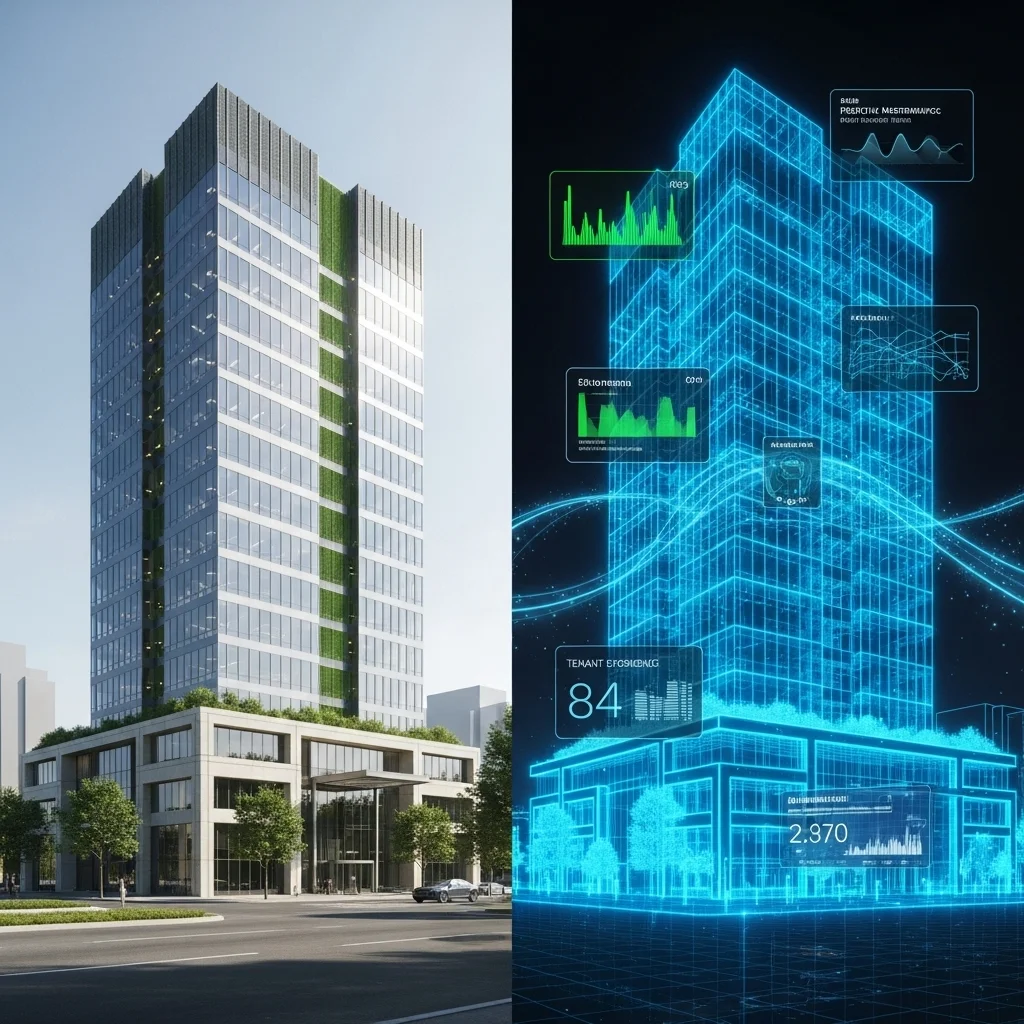
Beyond the Smart Thermostat: The 'Digital Twin' Revolution in Commercial Real Estate
How digital twins transform commercial buildings from static assets into dynamic, optimized systems—driving NOI through predictive maintenance and energy optimization.
5 Min. ReadRead more →
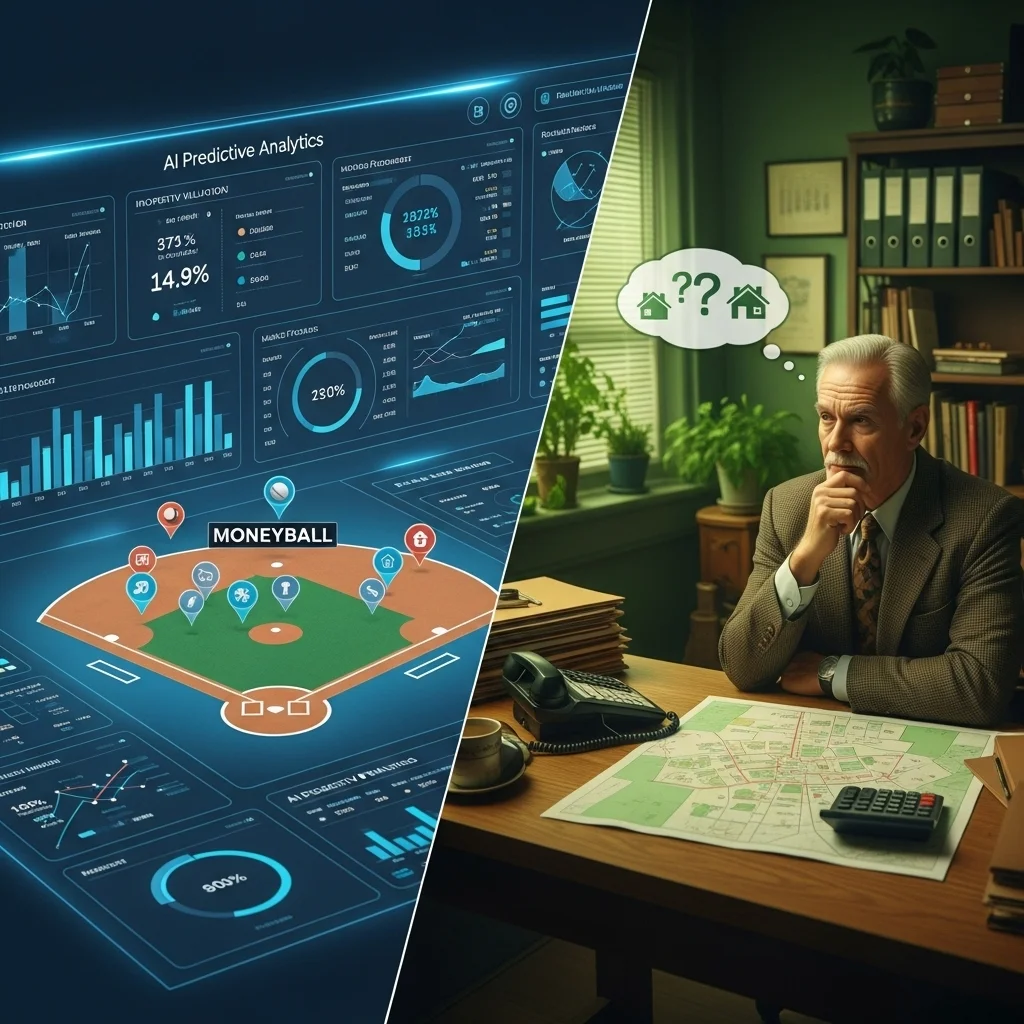
The 'Moneyball' Moment for Real Estate: How AI Is Predicting Which Homes Will Sell Before They Hit the Market
How AI-powered platforms are replacing 'gut feel' with data-driven predictive models that identify undervalued properties and forecast sales before they happen.
4 Min. ReadRead more →