Loading…
The AI Bias Playbook (Part 6): Guardrails (Part 3) — Continuous Monitoring
By Ryan Wentzel
4 Min. Read#AI#bias#monitoring#model-drift#post-market-monitoring

Table of Contents
- The #1 Blind Spot: "Launch and Forget"
- The Solution: The "Fairness Dashboard"
- The Regulatory Mandate: "2024-11-08" (EU AI Act)
- Closing the Legal "Catch-22"
- Conclusion
The #1 Blind Spot: "Launch and Forget"
This is the single biggest—and most dangerous—blind spot for most organizations. A company spends months on pre-deployment testing, gets a "Go" from legal, launches the model, and assumes the work is done. This is a catastrophic mistake.
A model that was "fair" at launch will not stay fair. The reason is a phenomenon known as "Bias Drift" or "Model Drift".
What is Model Drift?
Model drift is the "gradual degradation" of an AI model's performance and fairness over time.
Why does it happen?
A model is trained on "historical and static" data. But the real world is dynamic. Your customer base changes, your applicants' qualifications change, market conditions evolve, and user behavior shifts ("concept drift" and "data drift").
How does it become "Bias Drift"?
As this new, real-world data no longer matches the old training data, the model's performance decays. Its learned patterns become obsolete. As the "underlying population changes... drift can amplify bias". A model that was perfectly fair at launch can, six months later, be operating in a discriminatory way.
The Solution: The "Fairness Dashboard"
You cannot fix a bias you cannot see. The only way to combat drift is with continuous monitoring.
The solution is a live, "Fairness Dashboard" that provides a "clear, real-time view" of your model's decisions in production. This is your early-warning system.
How it works
This system (often part of an AI governance platform) continuously tracks the model's live decisions (e.g., "loan approved," "resume passed").
What it does
It automatically benchmarks these decisions against the key fairness metrics you defined in Part 3 (e.g., Equality of Opportunity) for different protected segments (e.g., by race, gender, age).
The Alert
The moment your "Equality of Opportunity" metric for a specific group starts to degrade or "drift" past a pre-set threshold, the dashboard automatically alerts your compliance and tech teams.
The Regulatory Mandate: "2024-11-08" (EU AI Act)
This is not just a "nice-to-have" best practice. For high-risk systems, it is a legal mandate.
The EU AI Act, in Article 72, creates a binding obligation for "Post-Market Monitoring" (PMM) for all high-risk AI systems.
This law explicitly requires providers to "actively and systematically collect, document and analyse relevant data... on the performance of high-risk AI systems throughout their lifetime". The stated purpose of this monitoring is to "evaluate the continuous compliance" of the system.
"Launch and forget" is now, by law, non-compliant in the European Union.
Closing the Legal "Catch-22"
This post-market monitoring process is also the only practical solution to the US legal "Catch-22" we identified in Part 2 (disparate impact vs. disparate treatment).
Recall the paradox: You can't use protected data (like race) in the model for fear of a "disparate treatment" lawsuit. But if you don't use it, your "unaware" model will likely learn from biased proxies (like zip code) and be illegal for disparate impact.
Continuous monitoring provides the elegant, defensible solution:
Step 1: You deploy a "group-unaware" model (which is legally safer at launch, as it does not use race as an input feature).
Step 2: You use your "Fairness Dashboard" to monitor the model's outcomes in production. This monitoring system separately correlates the decisions (e.g., "loan approved/denied") with demographic data that the model itself never sees.
Step 3: When the PMM dashboard alerts you that your "unaware" model's outcomes are drifting into a state of disparate impact, you now have the documented, legally-defensible "business necessity" to intervene.
Step 4: This "drift report" becomes the evidence you show to regulators (like the EEOC) to prove you are proactively managing your Title VII obligations, allowing you to pause the model, investigate the drift, and retrain it with the bias mitigation techniques required.
This "Post-Market Monitoring" plan, mandated by the EU, becomes your best-practice evidence of ongoing due diligence for US regulators. It closes the loop and solves the paradox.
Conclusion
You cannot fix a bias you cannot see. Continuous monitoring is the only way to prove—to regulators, to your board, and to the public—that your model not only was fair at launch, but remains fair today.
We've covered the tech. But tools are not enough. Next in Part 7: Building a Culture of Fairness, we'll cover the most important part: building the human-centric culture to wield these tools.

About Ryan Wentzel
Ryan previously served as a PCI Professional Forensic Investigator (PFI) of record for 3 of the top 10 largest data breaches in history. With over two decades of experience in cybersecurity, digital forensics, and executive leadership, he has served Fortune 500 companies and government agencies worldwide.
Related Articles

Taming the LLM: Using Finite-State Machines to Prevent Hallucinations in AI Workflows
Hallucinations are not a prompt problem—they are an architecture problem. Here is how wrapping LLM calls in a Finite-State Machine transforms a probabilistic model into a predictable, inspectable software component you can ship to paying customers.
6 Min. ReadRead more →
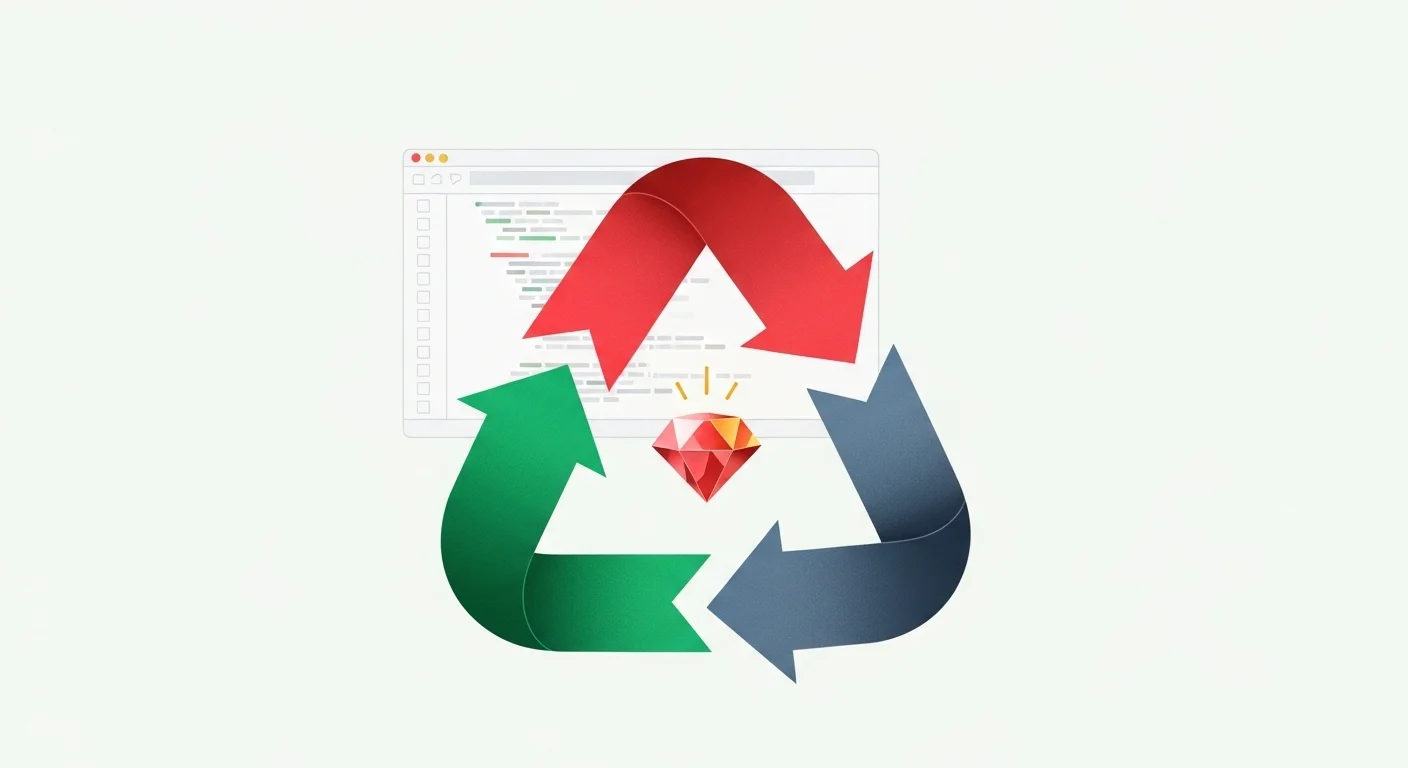
Embracing the Cycle: A Pragmatic Look at TDD in Ruby on Rails
How Red–Green–Refactor keeps SaaS codebases shippable as they scale — and why pragmatic TDD pays compounding dividends for Rails teams.
5 Min. ReadRead more →
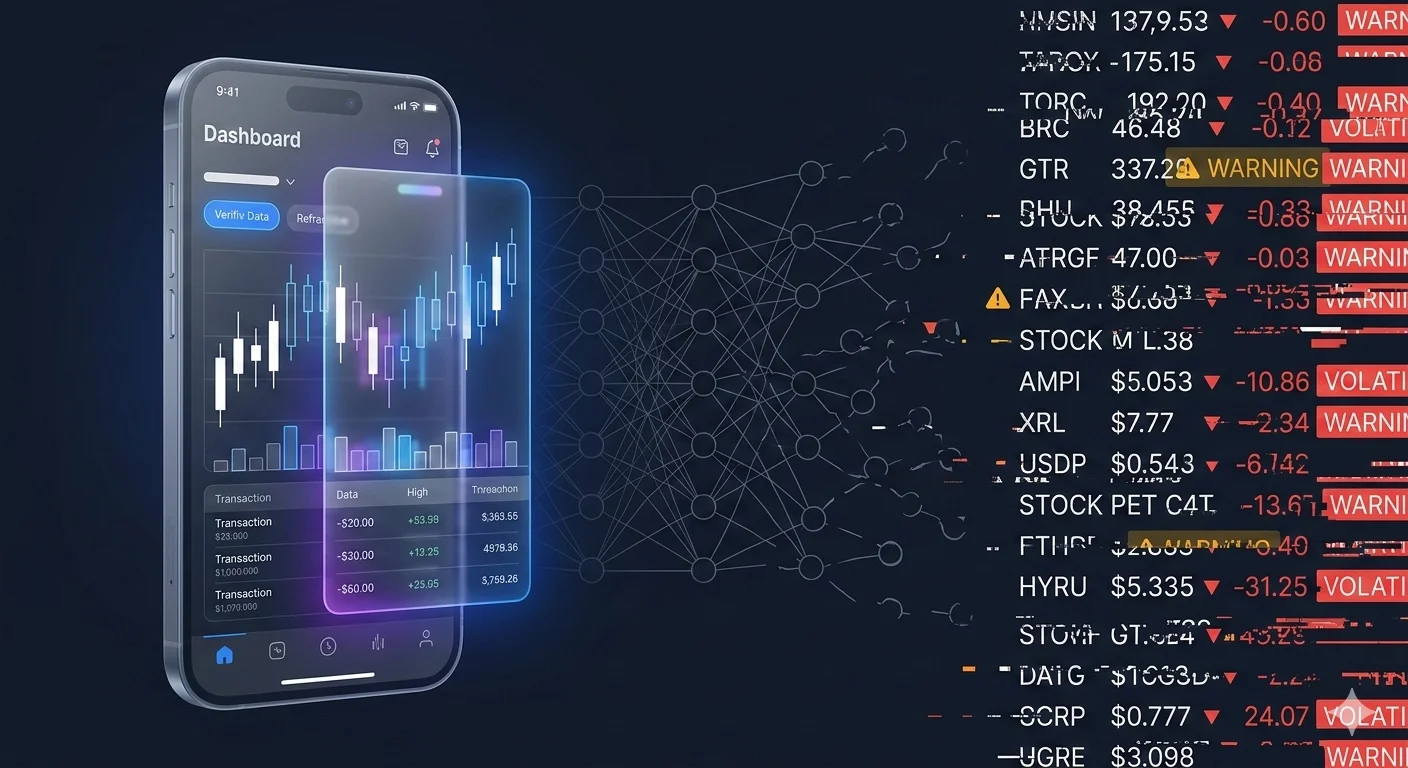
The Algorithmic Trust Paradox: How iOS 26 and FinanceKit Are Rewiring Fintech After the AI Hallucination Crisis
How Apple Intelligence hallucinations exposed fragile market microstructure, and why iOS 26's Liquid Glass UI and FinanceKit API are fundamentally reshaping fintech data provenance, algorithmic trading, and the death of screen scraping.
6 Min. ReadRead more →